Southern California Healthcare Outreach

SCHO members together at a general meeting

Making healthcare accessible for everyone.

What we do

Southern California Healthcare Outreach (SCHO) is a student-run volunteer and advocacy organization dedicated to educating communities in Los Angeles on health insurance. We provide educational resources in both English and Spanish, as well as enrollment support for those in need of a health insurance plan.

University of Southern California

100% Student Run

Get the information you need

We make flyers, infographics, and videos that explain Medicare, Medi-Cal, and Covered California. Our online guides walk you through every step of getting insured, even if you're starting from scratch. Everything we create is available in English and Spanish, so anyone can use it.

Not sure where to start? Try the SCHO Coverage Navigator, our interactive chatbot. Tell it about your situation, and it will help you sort through your coverage options and point you to the right next step.

Covered California Certified Enrollment Counselors

In 2024, we partnered with the Riverside Black Chamber of Commerce and Covered California, who sponsored our members in becoming Certified Enrollment Counselors (CEC). As CECs, SCHO members can sign people up for their desired health insurance plan directly on the spot, or over an online meeting.

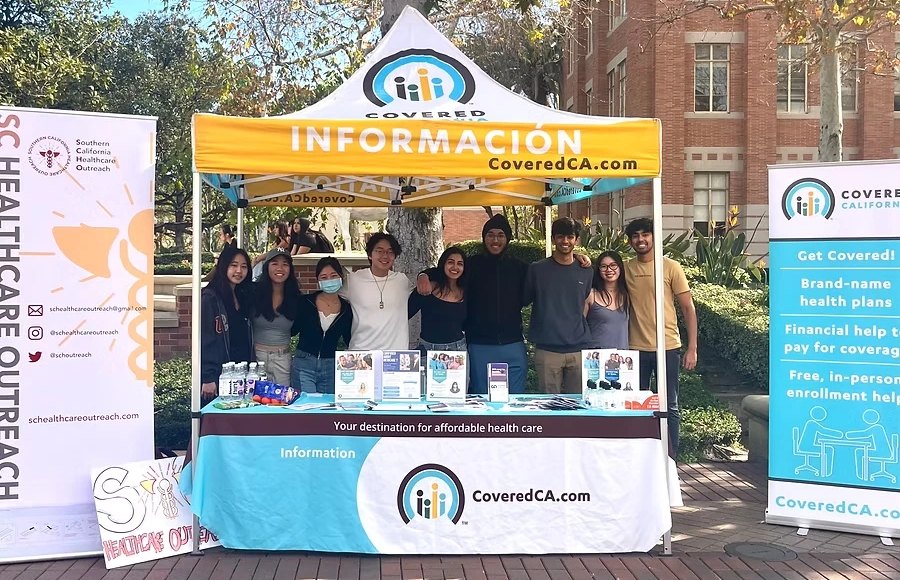
SCHO members at a Covered California information booth at USC
Schedule a meeting now

Community outreach

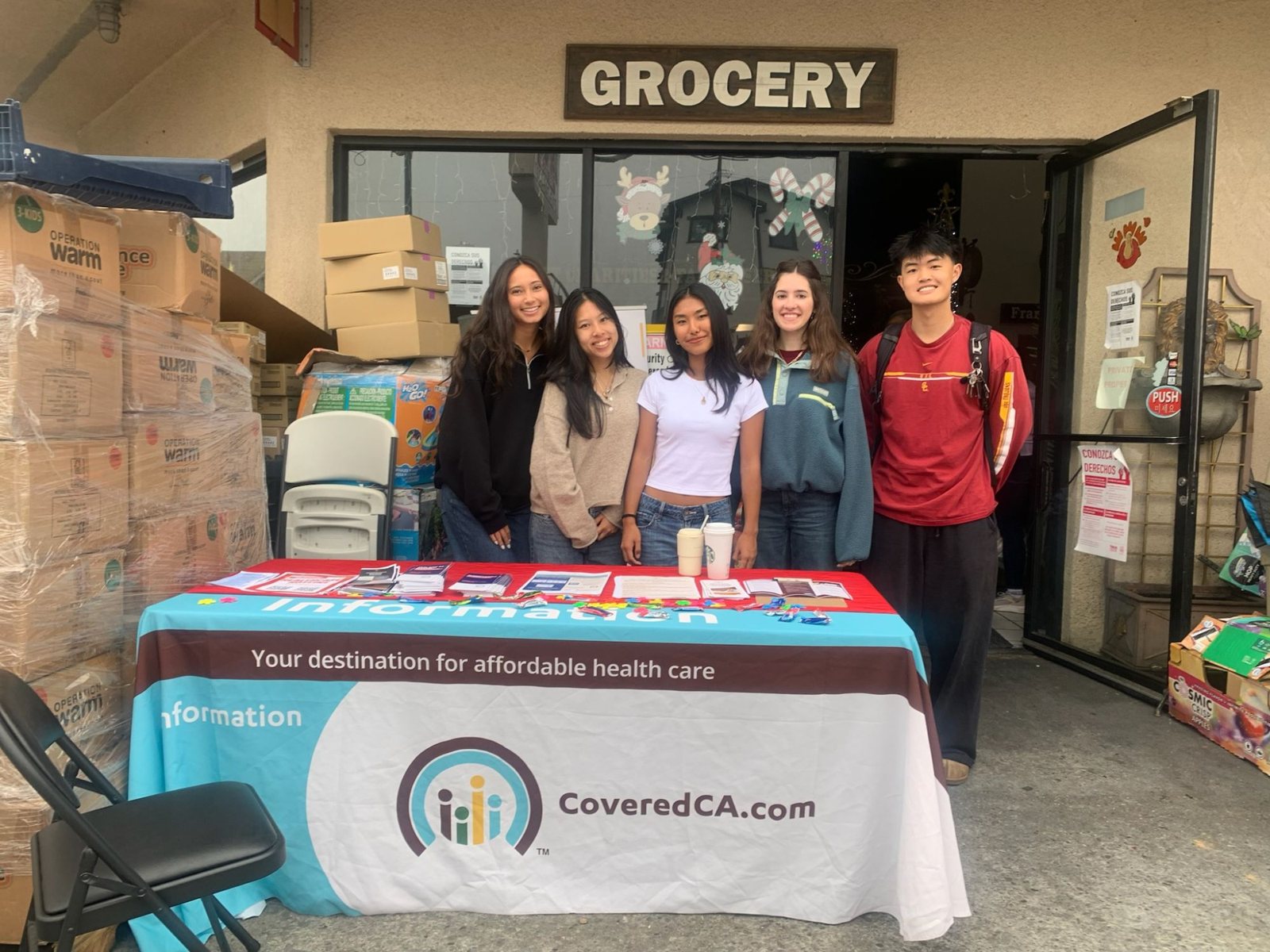
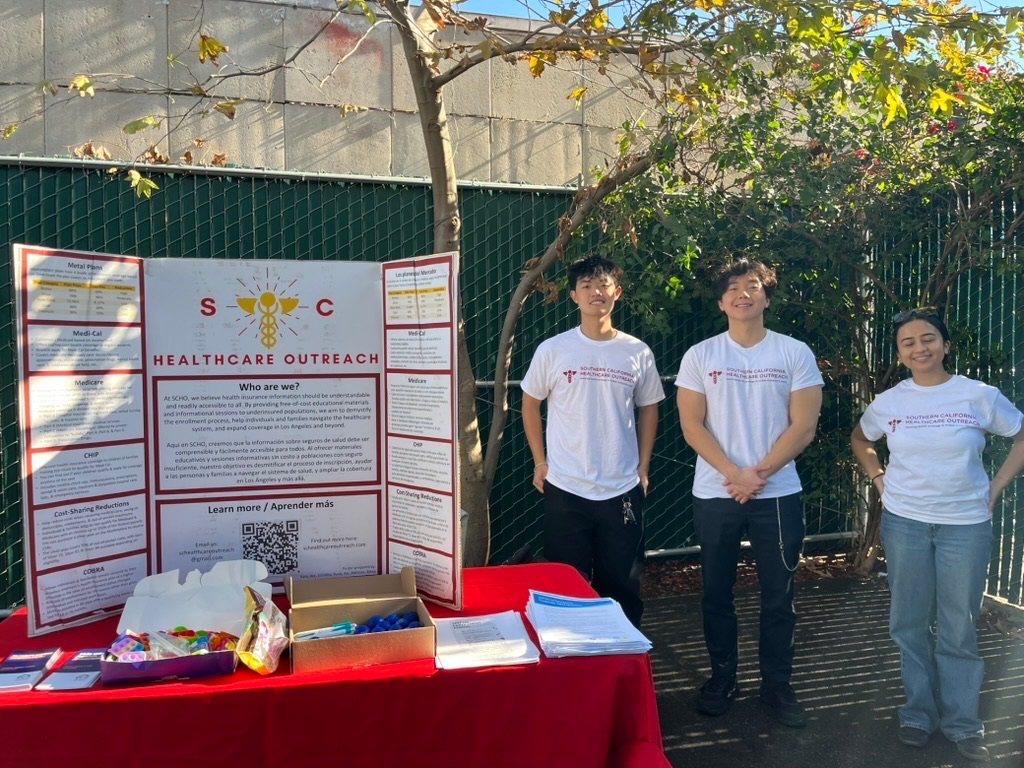
SCHO members at a Covered California table outside a grocery store SCHO members in matching shirts beside a bilingual health insurance poster board SCHO members at an information table inside a community restaurant

10+ Community Partners

Children's Hospital Los Angeles LA First United Methodist Church World Harvest The Salvation Army Los Angeles Public Library Hollywood Food Coalition Los Angeles Trade-Technical College Chrysalis

We partner with local organizations to educate LA residents on health insurance, and serve as a resource for USC students navigating the Student Health Insurance Plan (SHIP).

ENG/ESP
Bilingual Resources
500+
Residents Helped
100+
Events Hosted
Find an upcoming event near you

Join us!

Passionate about making a difference? Learn more about how you can get involved.

Get involved with SCHO

Our Mission

At SCHO, we believe health insurance information should be understandable and readily accessible to all. By providing free-of-cost educational materials and informational sessions to underinsured populations, we aim to simplify the enrollment process, help individuals and families navigate the healthcare system, and expand coverage in Los Angeles and beyond.

The SCHO executive board standing together in a USC colonnade
Meet the Executive Board
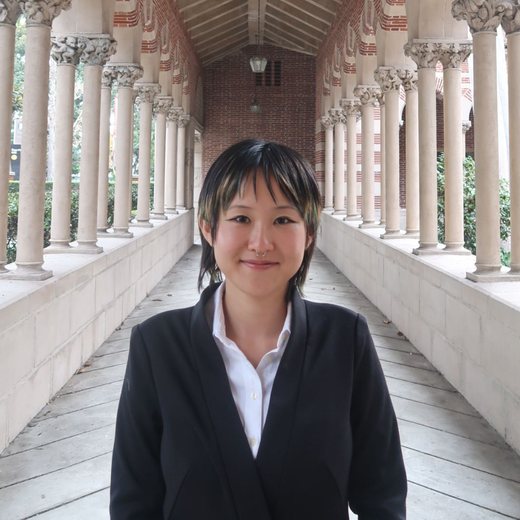
Amae Fu
Amae Fu
President

Amae (she/her) is a senior from Newton, MA majoring in Global Health. She joined the SCHO initiative because, like many first-gen immigrants, she grew up translating healthcare information for her parents and wants to make the complicated American healthcare system easier for others to navigate. In her free time, she enjoys hiking and eating spicy foods.

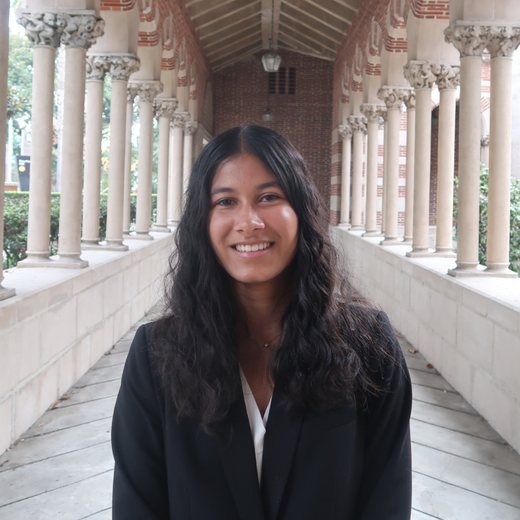
Aran Tripathi
Aran Tripathi
Vice President

Aran (he/him) is a junior from Marshfield, WI majoring in Biomedical Engineering with a minor in Jazz Studies. He joined the SCHO initiative to engage directly with the community, and has found a tight-knit group of friends who share a passion for helping those who are disadvantaged. In his free time, he enjoys playing the saxophone, cool cars, and watching the Packers.

Aditya Seetharaman
Aditya Seetharaman
Secretary

Aditya (he/him) is a junior from Fremont, CA majoring in Computational Neuroscience. He joined the SCHO initiative because navigating the healthcare system can be extremely complicated, and he wants to help LA communities get the resources and information they need to receive the care they deserve. In his free time, he enjoys playing chess and Clash Royale, and watching horror movies.

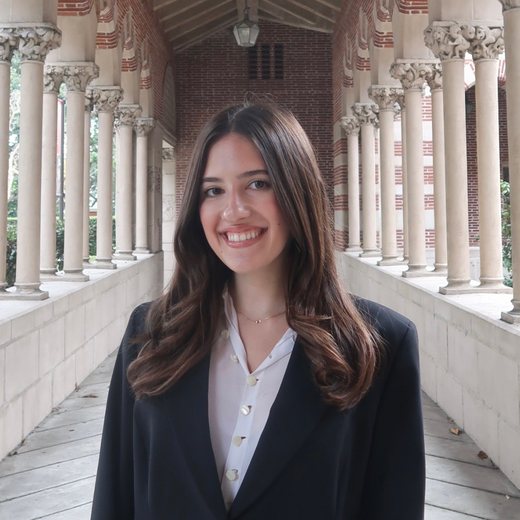
Ella Shin
Ella Shin
Events Director

Ella (she/her) is a senior from Stevenson Ranch, CA majoring in Human Biology with a minor in Healthcare Studies. She joined the SCHO initiative to give back to the Los Angeles community and advance healthcare accessibility, and loves how kind and encouraging everyone in SCHO is. In her free time, she enjoys drinking coffee, hiking with friends, and watching sunsets.

Sid Pillai
Sid Pillai
Projects Director

Sid (he/him) is a junior from La Cañada Flintridge, CA majoring in Human Biology. He joined the SCHO initiative to be as hands-on as possible and serve the community directly. In his free time, he enjoys LEGO, Star Wars, the NBA, Marvel, dinosaurs, Transformers, and the NFL and college football.

Aanya Bansal
Aanya Bansal
Projects Director

Aanya (she/her) is a junior from Mission Hills, KS majoring in Health Promotion and Disease Prevention. She joined the SCHO initiative because its blend of medicine and policy fit her interests, and she finds it rewarding to enroll LA residents in healthcare programs while raising awareness of the confusing health insurance system. In her free time, she enjoys playing pickleball, watching movies, and drinking boba.

Sophia Olivares
Sophia Olivares
Social Director

Sophia (she/her) is a junior from Providence, RI majoring in Global Health. She joined the SCHO initiative after working with underserved communities showed her how barriers like language can make navigating insurance and accessing resources much harder, and she loves helping break down those barriers alongside friends through service, education, and advocacy. In her free time, she enjoys baking, crafting, traveling, and trying new restaurants.

Lori Khatchaturian
Lori Khatchaturian
Recruitment Director

Lori (she/her) is a junior from La Cañada Flintridge, CA majoring in Human Biology. She joined the SCHO initiative after volunteering at a clinic where many immigrant patients struggled to understand the healthcare system, and she wants to help demystify getting insured and improve health literacy in Los Angeles. In her free time, she enjoys musical theatre, traveling, and listening to The Strokes.

Gabriela Sarabosing
Gabriela Sarabosing
Recruitment Director

Gabriela (she/her) is a junior from Orange County, CA majoring in Health Promotion and Disease Prevention. She joined the SCHO initiative to better understand the barriers people face when accessing healthcare, and to turn that knowledge into action by educating and supporting underserved communities throughout Los Angeles. In her free time, she enjoys hiking, going to the beach, and hammocking.

Where you'll find us in LA

Our outreach schedule for the month. Stop by a table to ask about health coverage or set up an enrollment appointment.

SunMonTueWedThuFriSat

Events this month

Your guide to health insurance

Whether you're signing up for the first time or comparing plans, we explain what you need to know in plain language, in English and Spanish.

Not sure where to start?

Try the SCHO Coverage Navigator, our interactive chatbot. Tell it about your situation, and it will help you sort through your coverage options and point you to the right next step.

Open the Coverage Navigator

Browse our guides

Still feeling lost?

Our Certified Enrollment Counselors can answer your questions and sign you up for a plan, in person or over an online meeting. It's free.

← Back to Resources

What is Health Insurance?

Health insurance is a specific type of insurance coverage that provides individuals with coverage for a variety of healthcare-related expenses, primarily: medical, surgical, and prescription-drug coverage. With some plans, dental coverage is included as well. Health insurance can help reimburse individuals for the cost of care for illness and injury or in many cases, pay the healthcare provider directly.

There are a few reasons why you should get insurance:

  • Save money

    When you opt to have insurance, you will pay significantly less for office visits than you would without insurance, assuming the health care providers you see are within your network (meaning that this provider takes your insurance).

  • Stay healthy

    Having insurance means you have access to preventative care like annual check-ups and immunizations. Chronic disease management is also covered, and other health screenings are free, such as those for blood pressure, diabetes, cancer and depression. Having health insurance makes it easier to catch and treat a health issue before it causes longer-term damage. And even if you eat right, exercise and are currently healthy, the risk of accident or illness is always present.

  • You may qualify for financial aid

    Financial help can reduce costs of health insurance for more people than ever before. To see if you qualify, check out Covered California’s interactive calculator.

← Back to Resources

Signing Up for Insurance

Signing up for insurance is stressful! This page will help get you started on finding what's right for you and how to sign up. Keep scrolling to learn more about insurance options you may already be eligible for.

Which Insurance Option Should I Choose?

Everyone has different needs and different eligibilities for certain programs. With our newly Certified Enrollment Counselors, we can now help provide you with the necessary insurance information so you can make the best choice for your health plan!

Get Insured Now!

Learn More About Your Insurance

MediCal

California's version of Medicaid.

MediCal
Medicare

Insurance for those over 65, or with disabilities/end stage renal disease

Medicare
CHIP

A low cost insurance option for children

CHIP

What Does Everything Mean?

There are so many terms to learn when navigating the complicated world of health insurance. Check this link out to see a comprehensive list of common vocabulary and their definitions you might come across as you go through the application process!

Glossary

Feeling Lost?

Email schealthcareoutreach@gmail.com to ask us a question or set up an appointment to talk about it!

← Back to Resources

What is COBRA?

There are a few ways to navigate the loss of job-based health insurance. If you get fired or quit and were enrolled in health insurance through your employer, there are various options for you to acquire new health insurance.

The Consolidated Omnibus Budget Reconciliation Act (COBRA) allows individuals the option to continue to be covered by their previous employer’s health insurance plan at a higher premium if they lose employment or have their hours reduced. This means that you are able to keep the same health coverage you had while you were still employed. However, you would not qualify is if you lost your job due to misconduct. In addition, if your employer closes or stops offering health insurance to its employees, you will not be able to apply for COBRA. You may also be eligible for COBRA if you separate or get divorced from a partner or they pass away and you were being covered under their employment-based insurance.

It is important to note that you must enroll in COBRA within 60 days of the qualifying event. If you enroll in COBRA and later become eligible for Medicaid, you will not be able to continue with COBRA coverage and must instead enroll in Medicaid. However, if you were eligible for Medicaid at the time when you experienced the qualifying event, you are able to stay on COBRA for the full-time period and switch to Medicaid at any time.

Coverage through COBRA is considered minimum essential coverage. There is also unemployment insurance, which is separate from health insurance. It is important to note that unemployment insurance is not health insurance. You will receive $40-$450 per week to help cover any of your basic needs. You can use this to pay for health care services but you will have to pay the full cost yourself. As such, you should still enroll in a health insurance plan.

Next:

  • What is minimum essential coverage?
  • What is unemployment insurance?
  • What is a qualifying event?
  • How do I initiate COBRA coverage?

Previously, and Related Topics:

← Back to Resources

I'm undocumented. What are my options?

We're working on this guide. In the meantime, email us at schealthcareoutreach@gmail.com and we'll help you through it.

← Back to Resources

What is Medicare?

Medicare is a federally run program that aims to provide subsidized and accessible health insurance to a specific population within the United States. You may qualify for Medicare if you are:

  • 65 years of age and over
  • Under age 65 and have a disability
  • Under age 65 and have End Stage Renal Disease (ESRD)

Medicaid enrollment is NOT a barrier to Medicare enrollment. You can dual enroll in Medicare and Medicaid!

There are four parts to Medicare:

  • Part A & B, which cover all hospital and preventative care necessities
  • Parts C & D, which include the Medicare Advantage Plan and prescription drug coverage respectively.

Standard Medicare includes parts A & B with the addition of Part D if consistent prescription drug coverage is also needed. Part C, or the Medicare Advantage Plan can be acquired through a private insurance provider and includes coverage that matches parts A & B plus additional aspects.

Know your Medicare basics

Part AHospital

Medicare Part A is Hospital insurance and helps cover cost if you are staying in a hospital, skilled nursing facility or hospice care.

Part BMedical

Medicare Part B is Medical insurance and helps cover cost for doctor services, outpatient care, durable medical equipment and other medical services. If you enroll in a Medicare Advantage Plan you must continue to pay your Part B premium.

Part DPrescriptions

Medicare Part D is Prescription Drug coverage, and helps cover the cost of many outpatient prescription drugs. If you enroll in a Medicare Advantage Plan this drug coverage is usually included into the plan, otherwise it is offered through insurance companies as a separate plan.

Part CMedicare Advantage

Part C, also known as Medicare Advantage, includes Part A, Part B, and sometimes Part D. It is all in one plan.

← Back to Resources

What is Medicaid?

Medicaid is a jointly-funded federal and state health insurance program dedicated to providing healthcare for eligible low-income families or individuals, pregnant women, parents, seniors, and individuals with disabilities.

Medicaid is the single largest source of health insurance for residents of the United States. The ACA (also known as Obamacare) gave states the opportunity to expand Medicaid coverage to cover the majority of low income Americans under the age of 65. Eligibility for children was extended to 133% of the federal poverty line (FPL) and states were given the option to extend eligibility to adults with income at or below 133% of the FPL. Most states have chosen to expand coverage to adults, and those that have not yet expanded may choose to do so at any time. Medicaid in California is called Medi-Cal.

Additionally, “medically needy” Americans who wouldn’t otherwise qualify for subsidized healthcare due to their income level exceeding the standard income ceiling may still qualify for Medicaid coverage if their expenses meet or exceed a certain threshold.

← Back to Resources

What is the Affordable Care Act?

The Affordable Care Act (ACA), commonly known as Obamacare, was signed into law in 2010. The main goals of the ACA were to provide accessible healthcare to all Americans (via expanding Medicaid eligibility, and expanding financial assistance), to protect those with preexisting conditions, and to innovate within healthcare delivery. So far, millions of Americans with and without pre-existing conditions have benefited from the ACA.

Additionally, under the ACA’s individual mandate, uninsured individuals were required to pay an annual fee, further encouraging people to acquire healthcare. However, under the Trump administration, this individual mandate was repealed and has not been since reinstated.

← Back to Resources

Glossary

This is a list of commonly used terms in reference to health insurance that can be referenced whenever needed.

  1. Actuarial Value

    The percentage of total average costs for covered benefits that a plan will cover. For example, with a plan with an actuarial value of 70% you would be responsible for about 30% of your healthcare costs.

  2. Affordable

    A healthcare plan is considered affordable if the cost does not exceed 9.5% of your annual household income. This percentage is adjusted slightly every year - in 2020, the cutoff was 9.78% of your household income.

  3. Co-Insurance

    The percentage of the cost for a health care service that you pay after you've paid your deductible. The percentage is specified by your insurance plan. For example, if your co-insurance is 20% and the cost of an office visit to your primary care doctor is $100, you will pay 20% of $100 which is $20 for the visit yourself and the insurance provider will cover the rest.

  4. Co-Payment

    A fixed amount (ex. $15) you pay to health care providers for a covered health care service, usually at the time of service. Co-payments usually don't apply until you've met your deductible.

  5. Cost Sharing Reductions

    A discount that lowers the amount you have to pay for deductibles, copayments, and coinsurance. In the Health Insurance Marketplace®, cost-sharing reductions are often called “extra savings.” If you qualify, you must enroll in a plan in the Silver category to get the extra savings.

  6. Deductible

    The amount you owe for health care services before their health insurance plans begins to pay. For example, if the deductible for your plan is $1,000, you pay for care out-of-pocket up to $1,000 at which point your insurance starts to pay. After, the deductible has been met, you typically only pay a co-payment or coinsurance for covered services. Many plans will also cover some services like check-ups before you've reached the deductible. All marketplace plans require the insurance provider to pay the full cost of certain preventative services before the deductible is met as well.

  7. Federal Poverty Line (FPL)

    A measure of income issued every year by the Department of Health and Human Services. This measure is used to determine individuals' eligibility for certain health care programs and benefits, including savings on Marketplace health insurance, Medicaid, and CHIP coverage. The federal poverty line is different for different household sizes.

  8. Household income

    Your MAGI (Modified Adjusted Gross Income) plus that of every other member of your family that files a federal income tax return.

  9. Household size

    The household size generally includes the tax filer, their spouse (if legally married), and their dependents (such as children and other family members or people that are supported financially by the tax filer). The household size is used to determine the income limits to qualify for the various federal and state health insurance and financial assistance programs.

  10. Medi-Cal

    The California-specific version of Medicaid.

  11. Minimum Value

    Minimum value health coverage applies to job-based health plans. If your employer's plan meets this standard and is considered “affordable” you are not eligible for premium tax credits if you try to purchase a private plan through the marketplace instead. A coverage plan meets the minimum value standard if it has a 60% actuarial value (it is designed to pay 60% of your health care costs) and its benefits include substantial coverage of physician and inpatient hospital services.

  12. Open Enrollment Period

    The open enrollment period is the time frame in which you can enroll in a health insurance plan through Covered California or another state/federal marketplace. If you register for a plan outside of this window, you will most likely have to pay extra fees unless you experience a qualifying life event. Normally, the open enrollment period is from November 1st - January 31st; however, for 2020-2021 the open enrollment period was extended due to the COVID-19 pandemic. This special enrollment period will last until August 15th 2021.

  13. Out-of-Pocket Maximum

    The maximum amount you will be required to pay per year for health care services including deductibles, co-payments, and co-insurance. Once you reach the out-of-pocket maximum, your health insurance provider is responsible for 100% of the costs of covered services.

  14. Premium

    A fixed amount you pay monthly to have a health insurance plan.

  15. Premium Tax Credit (PTC)

    A tax credit you can use to lower your monthly insurance payment (premium) when you enroll in a plan through a health insurance marketplace. If your income is between 100%-400% of the FPL you are eligible for a PTC in all states. In 2021 you may also qualify if you make above 400% of the FPL.

  16. Qualified Health Plan (QHP)

    The types of insurance offered in the Market places in which qualified consumers can enroll during the Open Enrollment Period (OEP). QHPs must cover essential health benefits, often at no additional cost to the consumer, including annual check-ups, vaccinations, emergency care, maternity care, and some preventative care. QHPs also must follow established guidelines that set maximums for deductibles, co-payments, and out-of-pocket maximums.

  17. Qualifying Life Event (QLE)

    QLEs are things that may happen in your life that allow you to enroll in a different health insurance plan outside of the open enrollment period without additional fees. Examples of QLEs are losing your job, getting married, getting divorced, turning 26 (no longer eligible to be covered by parent's insurance plan), having a child, or otherwise losing health coverage.


← Back to Resources

Special Enrollment

Following the loss of a job, there is a special enrollment period, typically lasting 60 days, allowing the individual to enroll in a healthcare plan through the marketplace. This enrollment coverage lasts 18 months. However, if another life-qualifying event occurs, coverage is expanded for another 18 months. This is different from the open enrollment period, because the special enrollment period for each individual can happen during any time of the year based on the qualified life event that triggers the special enrollment period.

← Back to Resources

Providing Information of Eligibility

You must have a W-2 and any of the following: Fully or partially unemployed, employment status affected by COVID-19, you or your family is affected by school closures of a child, or your previous unemployment claim has expired.

Previously, and Related Topics:

← Back to Resources

Cal-COBRA

California offers their own version of COBRA, Cal-COBRA, in addition to the federal-level COBRA. At the federal level, COBRA coverage is available for 18 or 36 months depending on your circumstances. 18 months is the usual duration, but if you have a disabled dependent or experience another qualifying event during the 18 month period, you may be able to extend coverage for an additional 18 months. Under Cal-COBRA, people who received 18 months of coverage under federal COBRA are eligible for an additional 18 months under Cal-COBRA.

Eligibility Guidelines

You must have a W-2 and any of the following:

  • You have fully or partially unemployed employment status, affected by COVID-19
  • You or your family is affected by school closures of a child
  • Your previous unemployment claim has expired
← Back to Resources

How can I Qualify for Premium Tax Credits?

A person can qualify for PTC if:

  • They have a household income within 100%-400% of the FPL (Federal Poverty Line)
  • Do not file a “Married Filing Separately” tax return. (There are exceptions for victims of domestic violence or spousal abandonment)
  • In the same month you or a family member:
    • Do not qualify for coverage through a government program (Medicare, Medicaid, TRICARE, CHIP, etc)
    • Enrolled in coverage under a plan (excluding “catastrophic” plans from the Marketplace)
    • Am unable to get or qualify for an employer-sponsored plan that provides minimum value, affordable coverage.

Some Definitions:

  • Affordable coverage is defined by: The plan does not exceed 9.5% of your annual household income. This percentage is adjusted slightly every year - in 2020, the cutoff was 9.78% of your household income.
  • A minimum value coverage plan has 60% actuarial value. This is equivalent to a bronze metal plan on the Marketplace.

Next:

Previously, and Related Topics:

  • What are Premium Tax Credits?
  • Metal Plans on the Marketplace
← Back to Resources

How Can I Use Advance Premium Tax Credits?

Premium tax credits can be used to cover insurance premiums by making direct payments to your insurance company. In this case, the awarded amount would be used to pay for your premiums in your name. This would be known as Advance Premium Tax Credits (APTC).

Alternatively, you could pay your insurance premiums as usual and not use APTC over the course of the year. In this case, you would be able to claim the full amount of the PTC as a tax refund. If the full amount of awarded PTC is not completely finished when utilizing APTC (in the case the PTC funds are paid directly to your insurance company), then the remaining amount may be claimed as a tax refund while filing your tax return.

NOTE: Whatever method you decide to use when making use of your PTC, the claimant is required to file Form 8962 (Premium Tax Credit) on their tax return.

Next:

Previously, and Related Topics:

← Back to Resources

Cost-Sharing Reductions

Cost sharing reductions (CSR) are discounts on deductibles, copayments, and coinsurance that make having insurance more affordable. CSRs also lower your out-of-pocket maximum, which is the maximum amount you are required to pay for health care services per year. Once you reach the out-of-pocket maximum, the insurance plan must pay for 100% of the costs of covered services. If you qualify for CSRs, you must enroll in a silver plan to receive the benefits.

Related Topics:

← Back to Resources

What Happens If You Lose Your Insurance Or Your Job?

In this situation there are two options to look into: COBRA (The Consolidated Omnibus Budget Reconciliation Act) and Special Enrollment.

COBRA allows individuals to continue to be covered under their previous employer's health insurance plan within 60 days of the qualifying event. COBRA serves as a continuation plan, mandated by federal law, that allows the individual to pay the full premium and an administrative fee to remain under the previous employee health insurance plan, typically for 18 months.

If the individual does not or chooses not to enroll under COBRA for any reason following the loss of employment, there is a special enrollment period, typically lasting 60 days following the qualifying event, allowing the individual to enroll in a healthcare plan through the Marketplace. This enrollment coverage lasts 18 months. In the case that another life-qualifying event occurs during this period, coverage will be expanded for another 18 months.

NOTE: You may also be eligible for COBRA if you separate or get divorced from a partner or they pass away and you were being covered under their employment-based insurance. It is important to note that you must enroll in COBRA within 60 days of the qualifying event.

Next:

  • What is a qualifying event?

Related Topics:

← Back to Resources

Children's Health Insurance Program (CHIP)

What is CHIP?

CHIP is a federal and state program that provides health coverage to uninsured children in families with incomes too high to qualify for Medicaid, but too low to afford private coverage. CHIP also offers coverage to pregnant women.

What does CHIP offer?

Your child will receive medical care, vision exams, dental care, substance abuse treatment, and mental health services that are available under Medi-Cal.

Who is eligible?

  • Children:
    • under 19, regardless of immigration status
    • With a household income of under 266% of the FPL (Federal Poverty Level)
  • Pregnant women who do not have Medi-Cal between 214-322% of the FPL regardless of immigration status
    • This program is known as MCAP (Medi-Cal Access Program)
  • Infants aged up to two years old whose mothers are between 261-317% of the FPL
    • This program is known as MCAIP (Medi-Cal Access Infant Program)

NOTE: Your unborn child is also counted as a person when determining household size.

Check what your FPL is here!

How much does CHIP cost in California?

Medi-Cal for Children (CHIP) has a premium of $13/child per month, and a maximum of $39 a month per family. So if you have 4 children, it will still cost $39/month.

If your family is under 160% of the FPL, it is free.

Can I get discounts on monthly premiums?

Yes! There are 3 ways to get a discount:

  • If you pay three months in advance, you will receive the fourth month free.
  • If you set up monthly automatic payments online, you will get a 25 percent discount on your premiums.
  • If you pay by Electronic Fund Transfer (EFT), you will automatically receive a 25 percent discount on your monthly premium.

What we can provide

Southern California Healthcare Outreach (SCHO) provides certified enrollment resources, making it easy to access California's health insurance marketplace, Covered California. SCHO's Certified Enrollment Counselors offer personal appointments over the phone and on Zoom, so you can get direct, one-on-one help enrolling in health coverage.

Get health insurance in 3 easy steps

  1. Sign up for an appointment time

    Pick a time that works for you, and one of our counselors will meet with you.

    Make an appointment ↗
  2. Gather your documents

    Have documents ready with the following information:

    • Social Security Number
    • Identity
    • Citizenship or immigration status
    • Income
    • Minimum essential coverage

    All documents are kept private by law. Applying for health coverage has NO effect on immigration status or citizenship.

    For more options and detailed information, see our guide to signing up for insurance.

  3. Get enrolled!

    We will contact you by phone (or Zoom, if requested) during your scheduled appointment time.

Join SCHO

Help make health coverage make sense for Los Angeles. We welcome students of all majors and all years. No healthcare background is required, just an interest in outreach, advocacy, and learning alongside a team that partners directly with LA's clinics, churches, schools, and community organizations.

Recruiting for Fall 2026

Applications for the Fall 2026 cycle are closed. Keep a look out for information on our Spring 2026 cycle!

Apply now! ↗

Have questions? Reach out.

We're always happy to help you navigate the process or set up a one-on-one appointment.

Follow for Updates

← Back to home

SCHO Members Only Drive

Current members can log in here to open the club's shared Google Drive. Ask an executive board member if you need the password.